What it is
Petrovaradin Fortress is one of the largest surviving Habsburg-era fortifications in Europe. Built between 1692 and 1780 on a rocky bluff above the Danube, it was designed by French military engineer Sébastien Le Prestre de Vauban's followers to hold back the Ottomans. It never fell.
Today it is a quiet, walkable open-air monument — a mix of ramparts, ateliers, cafés, a small city museum, and one of the most photographed clock towers in Serbia.
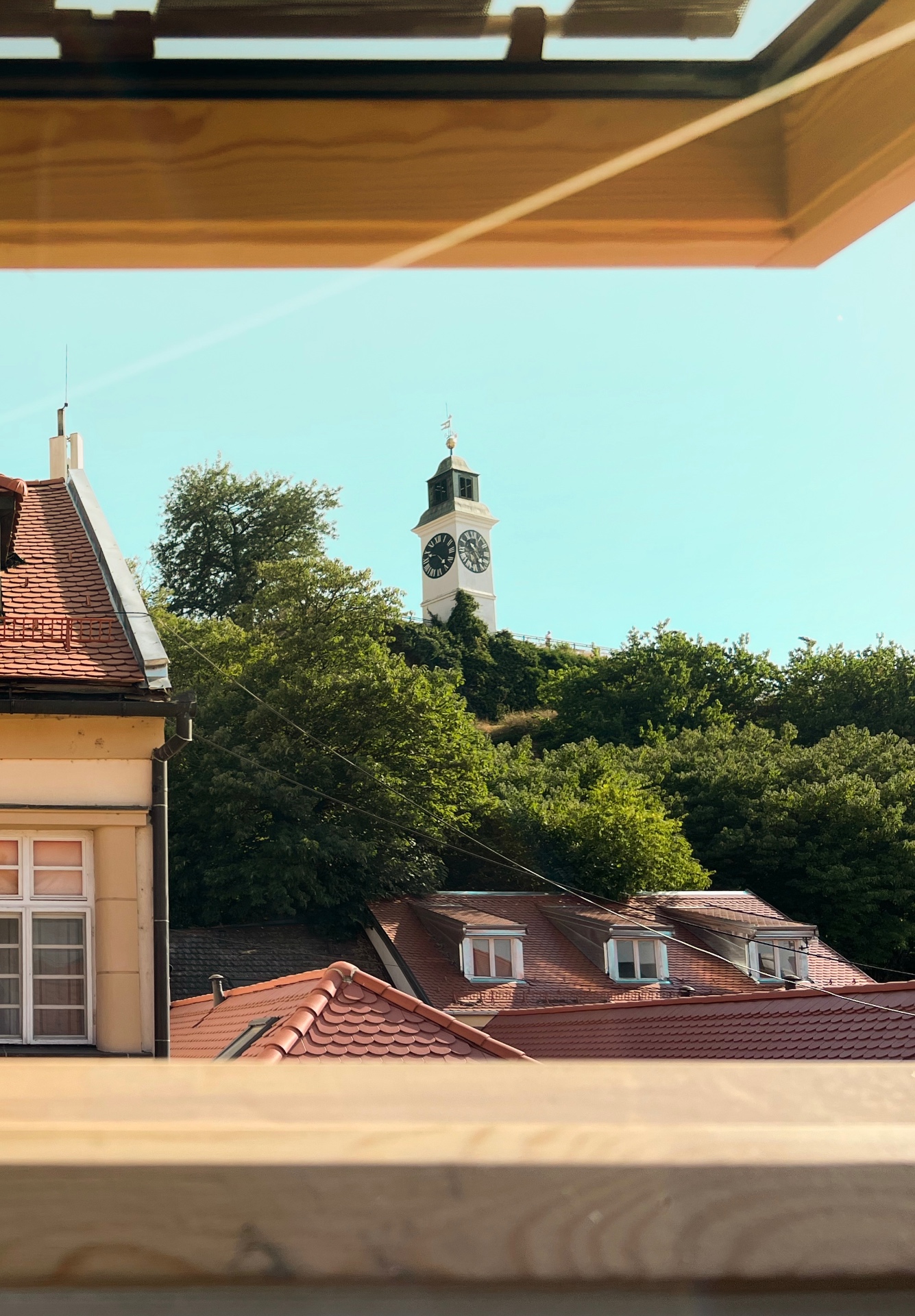
The clock with reversed hands
The big hand shows the hours, the small hand shows the minutes. The story goes that the fortress needed a clock readable from the river below, so sailors could tell the hour at a glance. Locals call it "the drunken clock". In summer it also runs a few minutes fast, in winter a few minutes slow — the metal expands and contracts.
The underground tunnels
Beneath the fortress runs roughly 16 kilometres of galleries and tunnels on four levels — a defensive maze designed so that any attacker who broke through could be flooded, sealed off, or mined from below. A small section is open to the public via a guided tour that leaves from the Museum of the City of Novi Sad on the upper plateau. Bring a light layer; it stays cool underground even in July.
Best viewpoints
- The clock tower terrace — the classic shot across the Danube to Novi Sad and the Cathedral of the Name of Mary.
- The Long Barracks promenade — a quieter walk along the northern ramparts, best at golden hour.
- Ludwig's Bastion — south-facing, catches the sunset over the plain.
Practical notes
- Entry: The fortress grounds are free and open 24/7. The Museum and tunnel tours are ticketed.
- Getting there from the loft: A 5–7 minute walk uphill via Štrosmajerova and the old cobbled ramps.
- Best time: Early morning for quiet photos, sunset for the view, after dark for the illuminated clock.
- Wear: Comfortable shoes — the cobbles are uneven and the ramps are steep in places.
What to pair it with
Combine a fortress walk with a coffee at one of the ateliers on the upper plateau, then descend to the Lower Town of Petrovaradin for lunch at a family konoba. In the evening, cross the Varadin Bridge for dinner in Novi Sad's pedestrian centre.